Tool
Shenzhen SIM vs eSIM for HK day trippers in Oct 2026
Updated 6 October 2026
Five real options sit in front of a Hong Kong day tripper walking out of Lok Ma Chau, Lo Wu or Shenzhen Bay in October 2026, and the right one depends on where you cross and what time you plan to head back. Here is how the five line up on price, coverage at the boundary and what they actually cost at the end of the day.
The five ways HK residents stay online in Shenzhen today
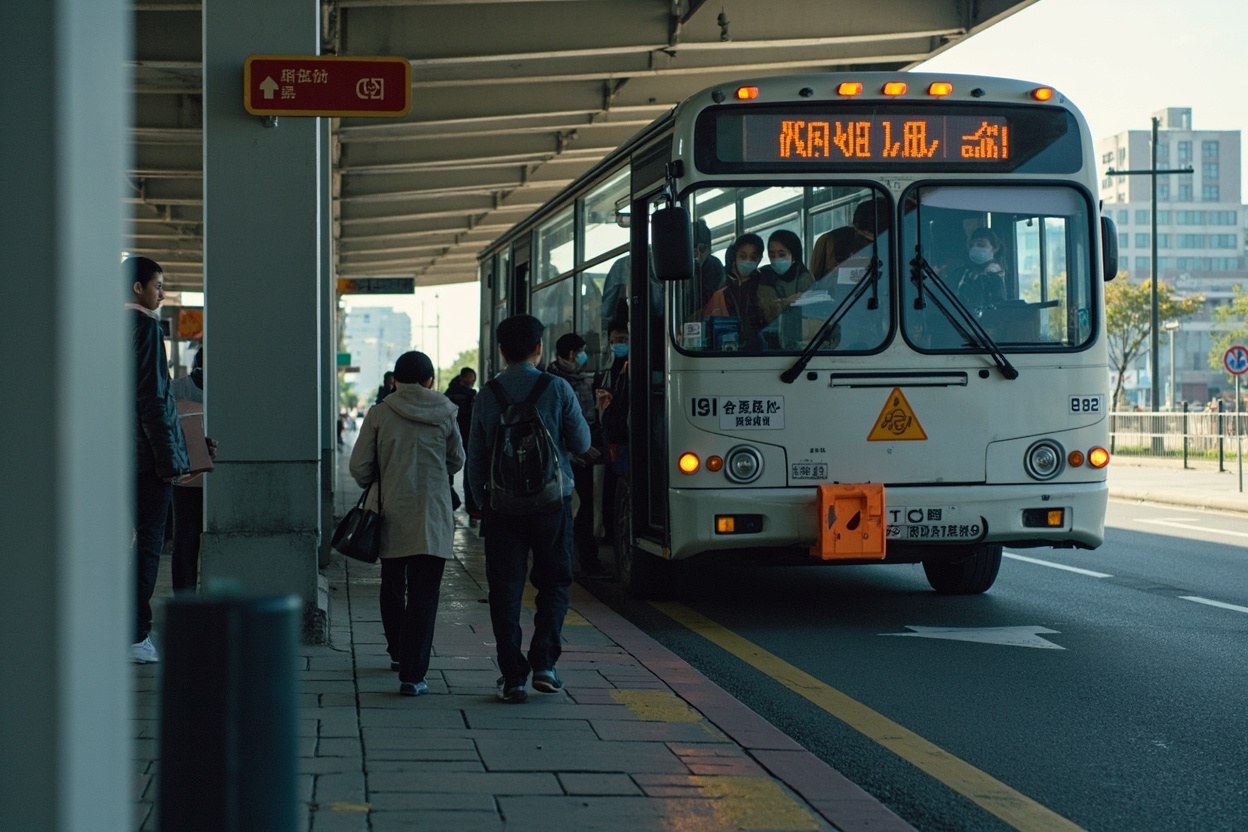
There is no shortage of choices in October 2026, and that is precisely the problem. Walk past the China Unicom and China Mobile counters at Lo Wu after 8am on a Saturday and you will see at least three different SIMs on offer, an eSIM QR code taped to the wall, a SmarTone counter at the MTR mezzanine, and a handful of travellers already deep into the menus of their phones trying to make any of it work. The five routes that matter for a single day trip in October 2026 are: a mainland China SIM bought on arrival, a mainland China eSIM activated before you leave Hong Kong, a Hong Kong roaming pack on your existing number, a pocket WiFi rented at the boundary, and the simple move of using your Hong Kong SIM with a roaming day pass.
The honest answer up front is that the eSIM is now the default for most day trippers, but the roaming pack still wins on signal inside the metro, on the B12 bus that now runs from the Shenzhen side of the new Huanggang Port, and on the high speed rail concourse at Futian. The physical mainland SIM is overkill for a single day, the pocket WiFi is dying, and roaming without a pack will burn a hole in your wallet the first time a video loads on the train.
This piece is a working comparison as of 6 October 2026. Prices and packs were checked against the China Unicom HK, Airalo, CSL and SmarTone websites, against the on-site counters at Lo Wu, and against what day trippers reported on the GuayHK reader line in September. If you are heading across this weekend, the rule of thumb is: eSIM if you mainly need data inside malls and coffee shops, roaming if you need reliable signal on the metro and at the boundary, mainland SIM only if you are crossing more than once.
What changed in 2026: eSIM registration and the end of anonymous SIMs
Two policy shifts reshape this market for a Hong Kong resident in October 2026. The first is the long telegraphed move by mainland operators to require real name registration on every eSIM, not just physical SIMs. Airalo and its competitor Holafly both confirmed in August 2026 that their China packs now bundle a real name verification step done through the operator's app, which adds about ten minutes at the start of your day. The second is the quiet scrapping of the anonymous tourist SIM that used to be sold at Lo Wu for CNY 50 with a GB of data and no ID. From July 2026, every mainland SIM, physical or virtual, must be tied to a passport number at the point of purchase.
For a Hong Kong day tripper, both changes are inconvenient but neither is fatal. The eSIM registration is a one off per device and is done on your phone before you cross, which means you can do it on the MTR to Lo Wu. The mainland SIM registration requires your Home Return Permit, which the vendor will scan and photograph, and the whole process takes five to eight minutes at the official China Unicom counter.
Roaming has gone the other way. CSL and SmarTone have both added a Shenzhen specific day pass in 2026, priced at HKD 38 and HKD 48 respectively, that gives you 5GB of 4G data for 24 hours, with the unused data rolling over once within seven days. SmarTone's pack is the only one that includes 5G access on mainland towers, which matters at Futian and Shenzhen Bay but not at Huanggang or Lo Wu. The catch on both is that voice minutes are bundled in, which most day trippers will not need but which the operator will charge for if you accidentally ring a Mainland number from a 2026 era Hong Kong app that auto dials.
Coverage at the three crossings: where each option actually works
Signal quality at the boundary is the single biggest practical difference between the options, and the three working crossings behave very differently. At Lo Wu and Lok Ma Chau, where the MTR hands off to the Shenzhen Metro at Luohu and Futian Checkpoint respectively, mainland 5G is dense and reliable. At the new Huanggang Port, the situation is messier because the rebuilt terminal has only been open since early 2026 and the operator densification is still being finalised. China Mobile readers reported 5G on the Hong Kong side, a fall back to 4G inside the new building, and a return to 5G on the Shenzhen Metro Line 10 platform at the other end.
For a Hong Kong eSIM such as the CSL or SmarTone day pack, the picture at Huanggang is the opposite: 5G on the Hong Kong side, a clean handover to mainland China Unicom 4G on the Shenzhen side, but a slow period of about ninety seconds while the phone negotiates the new operator. If you are opening Alipay to scan a QR code at the Shenzhen side exit, that ninety second gap will feel like a lifetime. Airalo's China Unicom eSIM inherits the same gap. The mainland physical SIM has the cleanest experience at all three crossings because the phone is already on the home network before you reach the gate.
Shenzhen Bay is the easiest crossing for signal because there is a long pedestrian bridge, a coach park, and a fully indoor check hall where all four mainland operators have small cell deployments. The downside is that the walk from the coach drop off to the metro at Houhai is fifteen minutes and you will want data for the walk, which means an option that does not lose signal for any of those fifteen minutes. The roaming day pack and the mainland SIM are the two that do that cleanly. The Airalo eSIM is third best. Pocket WiFi is last because the unit has to be returned to a Hong Kong kiosk and the return queues at Shenzhen Bay on a Sunday afternoon can hit forty minutes.
The real price you pay at the end of the day
For a single day trip in October 2026, the cost of each option in practice is as follows. The Airalo China eSIM called China Unicom is USD 5.50 for 3GB over seven days, with a registration step that takes about ten minutes the first time and is cached for the next trip. The Holafly equivalent is EUR 6.90 for unlimited daily data, capped at 2GB per day at full speed before throttling. The mainland China Unicom tourist SIM bought at Lo Wu is CNY 68 for 10GB over 30 days. The SmarTone day pack is HKD 48 for 5GB over 24 hours with rollover. The CSL day pack is HKD 38 for the same allowance, but at 4G only.
If you are only crossing once this month, the SmarTone day pack and the Airalo eSIM are basically a wash on price. The decision between them comes down to what you need the data for. SmarTone wins for Google Maps, WhatsApp voice notes, and Hong Kong email, because the data is routed through Hong Kong and behaves as if you are at home. Airalo wins for WeChat, Alipay, Meituan, and DiDi, because the data is on a mainland IP address and is not blocked by the dozens of Mainland services that now treat foreign IP addresses as bots.
If you are crossing more than once in October 2026, the mainland China Unicom tourist SIM at CNY 68 is the cheapest by a wide margin. The 10GB is enough for two weekend trips, three quick evening runs to Huaqiangbei, and a full week of using DiDi for the return from a Shenzhen dinner, with data to spare. The catch is the registration step, which you do once and which is now a little longer than it was in 2025 because of the new real name rules.
What to do if you need to make a call, not just use data
For most Hong Kong day trippers, data is the only thing that matters. If you genuinely need to make or take a voice call, the picture changes. Mainland China eSIMs issued by Airalo and Holafly are data only, with no mainland phone number attached. The mainland physical SIM is the only option that gives you a working mainland number, which is useful if you are ordering a courier to your hotel in Futian, if you are pre booking a restaurant, or if you are arranging a DiDi Premier ride from outside the city. The SmarTone and CSL roaming day packs include a small bundle of voice minutes, but the call is routed through Hong Kong and shows up on the other end as a +852 number, which the recipient will recognise and which most Shenzhen based services will treat as suspicious.
The pragmatic answer for a day tripper who needs to make a call is to use WhatsApp or FaceTime over data, which both mainland eSIMs and the Hong Kong roaming packs handle cleanly. The only situation where this fails is at the boundary itself, where signal is unstable, and where the right move is to step to one side, finish the call on your Hong Kong network before crossing, and pick up the conversation again on the other side.
A simple decision tree for 6 October 2026
If you are crossing today and back the same evening, the eSIM from Airalo at USD 5.50 is the default. Activate it on the train to the crossing, finish the registration step at the MTR station, and walk through. If your day is going to involve a lot of metro, the B12 bus from the Shenzhen side of Huanggang, or a long coach ride from Shenzhen Bay, spend the extra HKD 10 on the SmarTone day pack. If you are crossing twice in October or more, buy the CNY 68 China Unicom tourist SIM at Lo Wu on the first trip and use it for the rest of the month.
If you are travelling with two people, do not buy two eSIMs. Buy one pocket WiFi from the Klook counter at Hung Hom or at the airport express, pick it up before the MTR, and return it the next morning. The cost is around HKD 60 to HKD 90 per day, which is comparable to two eSIMs but which gives you a private network and a battery pack. The downside is the return queue at Shenzhen Bay, which on a Sunday afternoon in October 2026 has been reported at up to forty five minutes, and which the operators have started addressing by opening a self service drop box at the coach terminal.
The final point is one that the operators will not advertise: if you have an iPhone 14 or later with dual eSIM, you can load the Airalo China eSIM and your Hong Kong number side by side, and have both active at the same time. The phone will preferentially use the mainland eSIM for data inside Shenzhen, and the Hong Kong number for calls and iMessage, and you can set the phone to keep the Hong Kong number on for WhatsApp, which needs a Hong Kong IP for the Hong Kong version of the app. This is the configuration that serious Shenzhen regulars use, and it costs USD 5.50 plus your normal Hong Kong plan, with no roaming charges.
Quick answers
- Is my Hong Kong SIM going to work in Shenzhen in Oct 2026?
- Yes, on the HKD 38 or HKD 48 day pass from CSL or SmarTone. Without a pack, you are paying about HKD 10 per MB on the legacy roaming rate, which will run into hundreds of dollars after a single short video.
- Can I buy a mainland China eSIM online and use it the same day?
- Yes, Airalo and Holafly both sell China eSIMs that activate within minutes of scan. Expect a ten minute real name registration step the first time, done inside the operator's app on the Hong Kong side.
- Do I need my Home Return Permit to buy a mainland SIM?
- Yes. From July 2026 every mainland SIM, physical or virtual, must be tied to a passport or Home Return Permit number. The vendor will scan and photograph the document, which takes five to eight minutes.
- Which option is best for the B12 bus from Huanggang?
- SmarTone's day pack, because it includes 5G on mainland towers at Huanggang. The Airalo eSIM falls back to 4G on the B12 route for the first ten minutes out of the new terminal.
Hours in the cards follow the Hong Kong Immigration Department control-point table. They move. Check the morning you travel.