Once across
HKD to yuan for a day trip
Updated 6 September 2026
One Hong Kong dollar buys about 0.86 yuan at the mid-market rate right now, and that number is the only honest one in this whole business. Every money changer, bank counter and street tout on both sides of the border is working off that figure and quietly shaving a bit off it in their own favour. The gap between the true rate and what you're actually offered is where you win or lose, not the rate itself.
Licensed changers in Chungking Mansions beat the banks
On the Hong Kong side, the licensed money changers packed into Chungking Mansions and the similar buildings around Tsim Sha Tsui and Mong Kok generally beat your bank by a noticeable margin. Some, like the long-running Kin Shing Money Exchange, advertise no commission at all. The trick isn't finding "the best one," it's comparing the buy and sell spread on the board before you hand anything over. A shop quoting a tight spread between what it buys HKD for and what it sells CNY for is treating you fairly. A shop with a wide gap is making its margin on you either way.
Your bank (HSBC, Bank of China Hong Kong, whoever) will change money too, but the rate is usually a bit softer than a good street-level changer, and some branches want advance notice for larger cash amounts. It's fine for convenience, not for getting the sharpest rate.
Don't exchange with anyone hanging around the border
This is the one I'd actually warn a first-timer about. Around Luohu Commercial City and the approaches to Lo Wu, you'll get people quietly offering "special rates" that sound better than anything in a shop window. Don't. The standard trick is a rigged calculator, sleight of hand while counting, or notes with a counterfeit mixed into the stack. If you want to change money once you're already over the line, use a proper bank counter or a licensed exchange desk inside Luohu Commercial City itself, not a person on the street.
| Where | Rate vs mid-market | Fees | Worth it? |
|---|---|---|---|
| Licensed changer, Chungking Mansions / TST | Close, small spread | Often none advertised | Best for cash you'll actually carry |
| HK bank counter | Softer rate | Sometimes a minimum or notice period | Fine if you're already at the branch |
| Mainland ATM, UnionPay-enabled HK card | Close to mid-market | Your HK bank's overseas withdrawal fee, plus a per-transaction cap (often around 3,000 yuan) | Good backup, not for large sums |
| Street tout near Luohu / Lo Wu | Looks great on paper | Risk of counterfeit notes or short counting | Skip it entirely |
The ATM route is worth knowing even if you never use it: a Hong Kong debit card with a UnionPay logo can usually pull RMB straight from a mainland ATM at close to the real rate, capped at roughly 3,000 yuan per transaction depending on your bank. It's a decent fallback if you land in Shenzhen and realise you didn't change enough before you left.
Do you even need cash yuan any more?
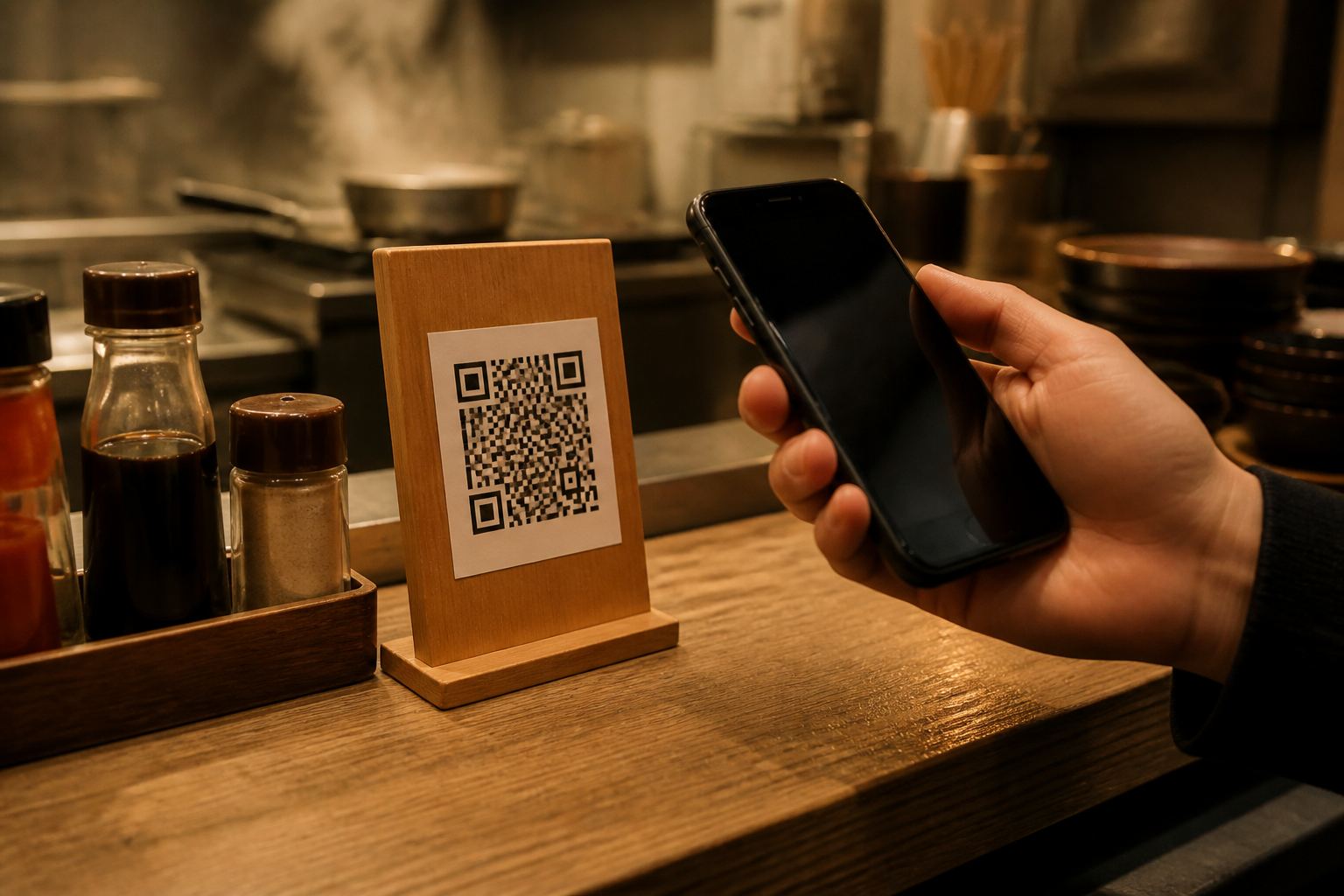
Less than you'd think. WeChat Pay HK and Alipay HK both now work across a wide range of Shenzhen merchants, including taxis, after access broadened at the end of 2024, and most of what a Hong Kong resident does on a regular Shenzhen trip, from a metro ride to a hotpot dinner, goes through one of those two apps. Our payments guide walks through setting both up properly, which is worth doing before your first crossing rather than fumbling with it at a till.
Cash still earns its place, though. Some wet market stalls and older street vendors haven't bothered with a QR code. Coin lockers, small tips, and the odd temple donation box want physical notes. And if your phone dies, your data doesn't work, or an app throws a verification error at the worst possible moment, having yuan in your pocket means you're not stuck.
A realistic amount to carry
For a normal day trip, 200 to 500 yuan in cash is plenty as a buffer, not a primary payment method. Ask for a mix of smaller notes rather than a stack of hundreds. Plenty of small vendors genuinely can't break a 100 yuan note for a 6 yuan bowl of noodles, and it's an awkward standoff at 8am. If you're heading over specifically for a bulk shopping run, say a Sam's Club trip, cash matters even less there since those stores run almost entirely on card and e-wallet, so there's no reason to carry more just because the bill will be bigger.
Which crossing you use barely changes any of this, but if you're weighing your options anyway, our border crossing tool filters the five checkpoints by hours and crowding, which matters more for your morning than where you changed your money.
Changing enough cash in Hong Kong for one meal and one taxi ride covers the gaps WeChat Pay and Alipay don't reach on a normal Shenzhen day trip.
Quick answers
- Should I change a wad at Hung Hom?
- Only if you still live in cash. Most of the day is a QR.
- Is the airport rate relevant?
- You are not at the airport. You are at a land crossing.
Hours, fares, and rules move. Check ImmD, C&ED, or the operator the morning you travel.