Tool
Pet export paperwork from Shenzhen: what changed in Oct 2026
Updated 6 October 2026
Two main routes out, and the right one depends on your pet's age, breed and microchip. Land crossings suit microchipped adults on a short trip, while cargo agents handle everything else.
What actually changed on 1 Oct 2026
From the start of October, the General Administration of Customs has tightened the exit rules for dogs and cats leaving Shenzhen. Each animal now needs an individual export health certificate from a registered Shenzhen vet, issued no more than ten days before travel. The previous 30 day window for short stays has gone.
The new rule also names seven brachycephalic breeds, French bulldogs, pugs, British bulldogs, shih tzus, boxers, Pekingese and Lhasa apsos, which need an extra cardiac and respiratory check before the certificate is signed off. The same applies to any animal under four months old.

The two main routes out
You have two ways to get a pet from Shenzhen back into Hong Kong. The first is to walk them through a land crossing yourself, using one of the dedicated animal channels. The second is to book a cargo agent who handles the road freight clearance and delivers the animal to your home or to AFCD.
Land crossings work for microchipped adult dogs and cats on a straightforward trip, with the right paperwork. Cargo agents are the better choice for young animals, brachycephalic breeds, multiple pets, or anyone who does not want to queue at the port with a dog.
Land crossings and the animal channel
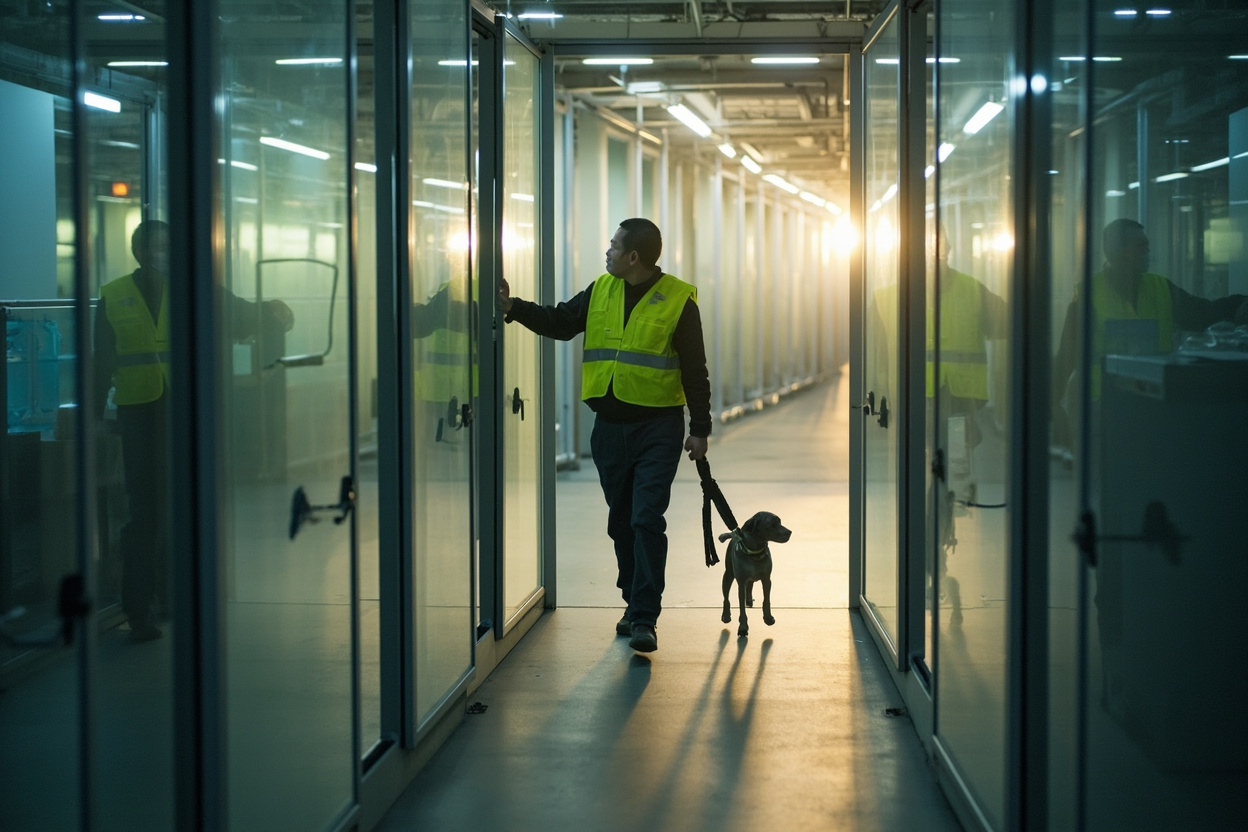
Shenzhen Bay and the new Huanggang Port both run an animal lane for accompanied dogs and cats. The owner shows the export health certificate, the rabies vaccination record and the microchip number, and customs scans the chip. The whole process takes 20 to 40 minutes when it is quiet and 60 to 90 minutes at peak.
Cargo agents and door to door
Cargo agents price the job by weight and route. Expect HK$1,800 to HK$3,200 for a single dog from a Shenzhen address to a Hong Kong home, and HK$1,200 to HK$2,000 for a cat. The fee usually covers the export paperwork, ground transport in both cities and the Hong Kong import permit.
The agent arranges the same vet certificate you would need at the crossing, then clears the animal through a dedicated freight channel. Pickup in Hong Kong is normally within four hours of the animal landing. Reputable firms include Pet Movers HK and China Pet Express, both listed on the AFCD website.
What still catches people out
The most common snag is the timing on the vet certificate. A booking made in September with a certificate dated 28 September is no longer valid for a return on 6 October, even though the animal is healthy. The ten day clock starts on the day of issue, not the day of travel.
Second is the breed list. A British bulldog puppy needs the extra cardiac check even at eight weeks. The vet will not sign the export certificate without it, and the cargo agent will not take the booking without the certificate.
Checklist before you cross
Two weeks before travel, book the Shenzhen vet visit and confirm the microchip is ISO compliant. Ten days before travel, get the export health certificate, and for flat faced dogs or puppies, the extra cardiac and respiratory check. Two days before travel, confirm the animal channel is open at your chosen port and pre book the cargo pickup if you are using an agent. On the day, carry printed copies of the certificate, the rabies book and a recent photo of the animal.
Quick answers
- Does the new ten day rule apply to cats as well?
- Yes. The 1 October 2026 change covers dogs and cats equally. Both need a Shenzhen export health certificate issued no more than ten days before leaving the mainland.
- Can I still use Lo Wu with my dog?
- No. Lo Wu and Lok Ma Chau do not have an animal channel. Use Shenzhen Bay or the new Huanggang Port for a land crossing, or book a cargo agent.
- What about a puppy under four months?
- Puppies under four months still need an export certificate, plus the extra cardiac and respiratory check introduced in October 2026. Plan an extra vet visit and consider a cargo agent to avoid queueing with a young animal.
Hours in the cards follow the Hong Kong Immigration Department control-point table. They move. Check the morning you travel.