Tool
Shenzhen currency exchange for HK day trippers in 2026
Updated 19 October 2026
Three options matter for an HK day tripper landing in Shenzhen in October 2026: linked QR wallets (Alipay or WeChat Pay with an HK card), HKD cash converted at a real bureau, and a small stack of RMB you brought across. The right call depends on where you're going, what time you cross, and whether you trust your bank's FX margin. Here's the default, then the four scenarios where the default fails.
The default that covers most day trips
If you do nothing else, open Alipay, add an HSBC or Hang Seng debit card, complete the in-app ID step, and set a sensible single-transaction cap before you cross. That single block of admin covers cafes, malls, metro top-ups, most restaurants, ride hailing, and almost every chain store in Luohu, Futian and Nanshan. WeChat Pay works the same way but is fussier with non-mainland cards in 2026 and still rejects a meaningful slice of HK Visa and Mastercard debit products at the binding step.
The rate you'll actually pay on a linked Alipay wallet is the card issuer's wholesale rate plus whatever your bank charges for a foreign currency transaction, typically between 0.4 and 1.5 percent. On a 1,000 HKD spend that's a friction of about 4 to 15 HKD. A money changer on the Shenzhen side, by contrast, will quote you a board rate and then a different rate when you actually hand over the notes, with a spread of 1.5 to 3 percent being normal in October 2026. The QR wallet wins on the rate for almost every day-tripper profile.
The one piece of friction that catches first-timers is the in-app identity step. Alipay asks for a passport scan, a live selfie, and a one-time mainland mobile number that the app can SMS. Hong Kong-based eSIMs that roam onto China Unicom generally receive that SMS without drama. Three network tries if the first SMS does not arrive, then abandon and use WeChat Pay for that transaction, or walk to a 7-Eleven and use the counter ATM for an emergency top-up of paper RMB.
When cash still beats the wallet
There are four scenarios in October 2026 where paper RMB is not just useful but the only way to close the loop. None of them is exotic, and any of them can ambush a day tripper who arrived at Huanggang Port with nothing but a phone.
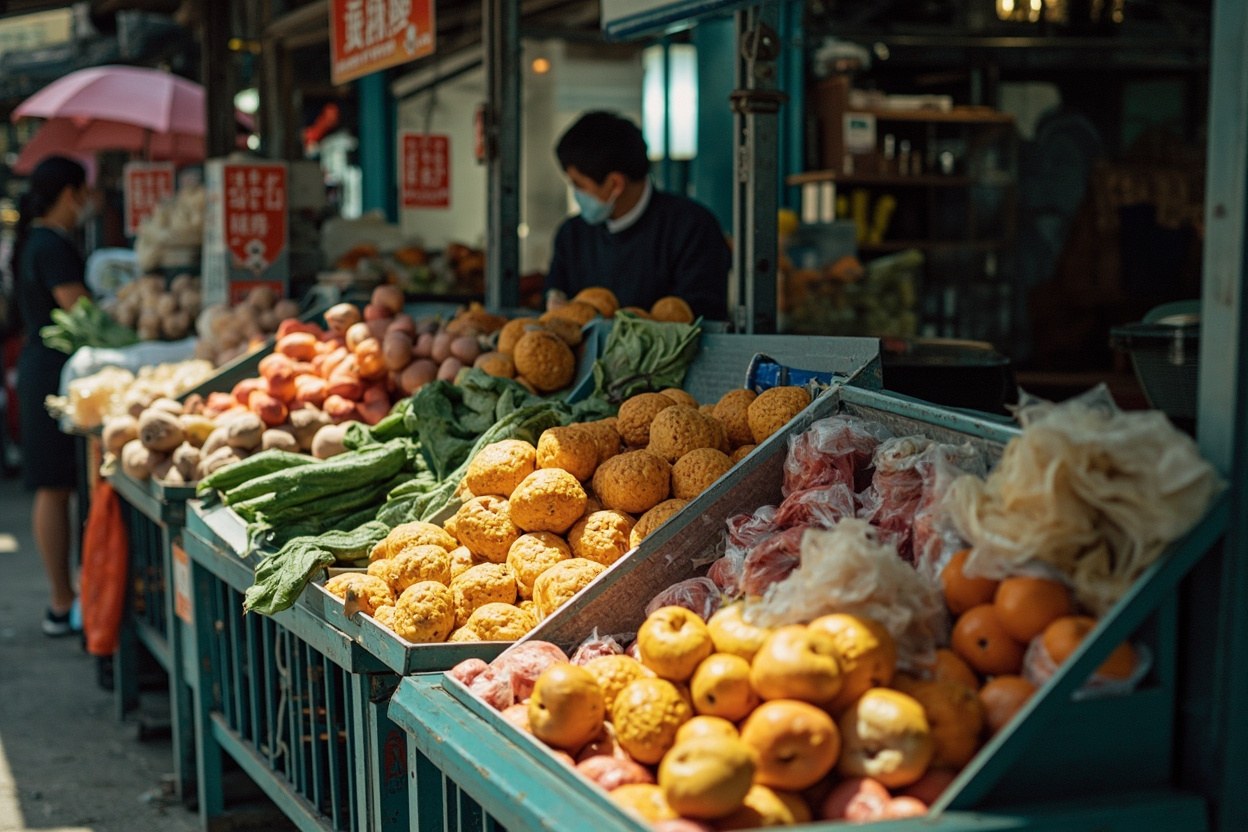
Old wet markets. The produce, fish and meat stalls inside Dongmen, Yuanling, and the older sections of Nanshan still run on paper. A vendor with a torn Alipay QR taped to a polystyrene box will, in practice, refuse your foreign card the moment the merchant tier flags it. RMB notes settle the question in two seconds. Carry tens and fives; fives have disappeared from many Shenzhen change pools in 2026.
Some taxi drivers. DiDi works for everyone, but the older Toyota and BYD cabs that queue outside residential compounds do not always honour QR. They are also the only cars that will go to villages the ride hail apps refuse. Twenty to fifty RMB in notes keeps you moving when the app times out.
Bus top-ups on the rural fringe. The B12, B3X, and a handful of cross-district buses that run into Guangming and Longgang still want the Shenzhen Tong card or a coin for the on-board top-up. The Shenzhen Tong app exists, but the QR reload at the bus stop only works on the Shenzhen Tong wallet, which is harder for an HK day tripper to bind than Alipay. Cash dodges the entire question.
Small dumpling shops and breakfast stalls. Independent shops that have not signed up to a 2025-era merchant aggregator will quote you a price in RMB, point at a paper QR, and then stare blankly when your Alipay does the foreigner handshake. The cultural fix is to smile, hand over 20 RMB, and accept the change without complaint. The trip is too short to win the argument.
Where to change HKD on the Shenzhen side
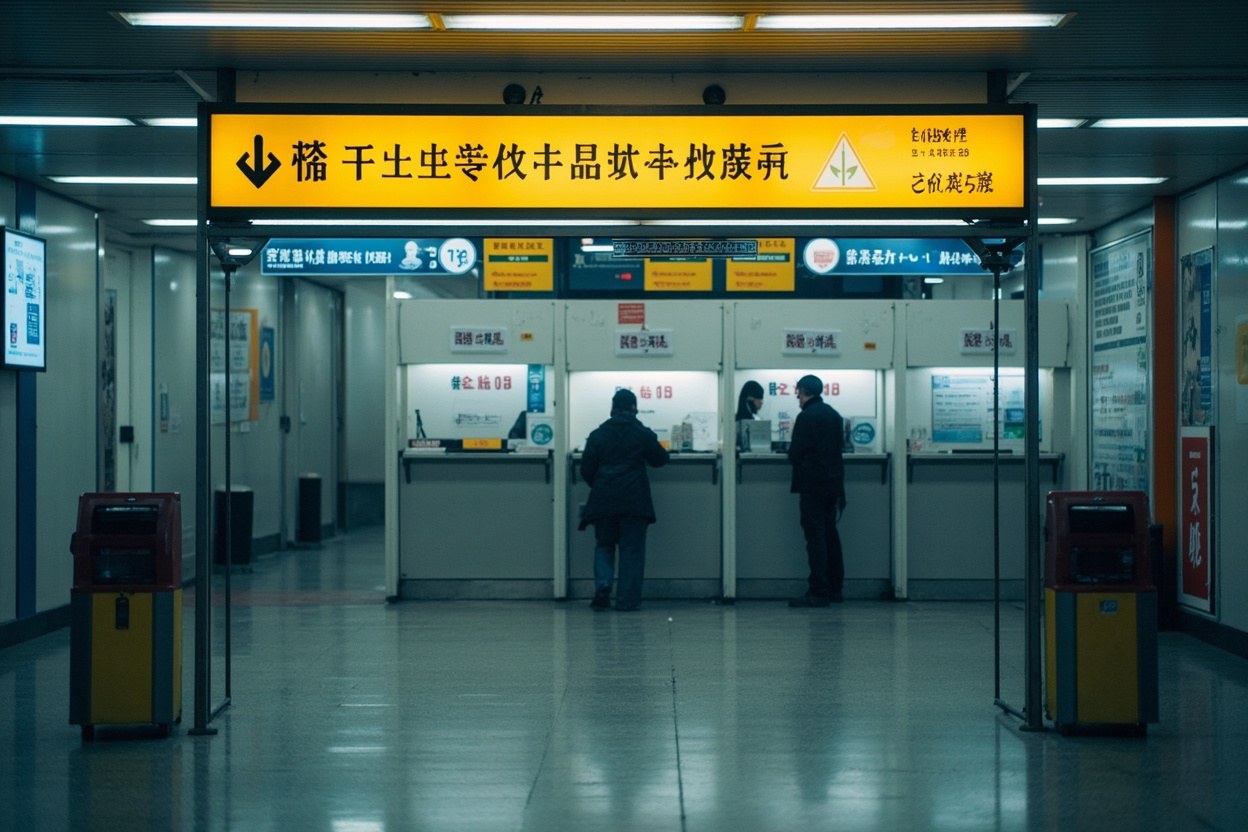
For the cash you do carry, the spread at the in-port bureau inside Huanggang Port is the worst you'll see, typically 2.5 to 3.5 percent in October 2026, with a flat 30 RMB minimum that punishes small exchanges. The same HKD note becomes about 1.2 to 2 percent more RMB if you walk one level down to the licensed exchange counters in the Luohu commercial arcade, identifiable by the green signage and the printed PBOC rate on a laminated card.
Branches of Bank of China and ICBC inside the Luohu, Futian, and Shenzhen Bay port buildings also handle walk-in HKD-to-RMB conversion for anyone with a passport. The counter rate is the day's PBOC reference, with a 1 percent bank spread and a 100 RMB minimum ticket size. That minimum matters for day trippers: if you only want 200 RMB of paper to cover the wet market and a taxi, you'll either top up the difference or be politely turned away.
Avoid the unmarked windows at the back of the port food court and any counter that quotes a flat 1.0 HKD to 0.8 RMB without showing the day rate. The licensed operators are required to display a board rate; the unlicensed ones are quoting whatever they think you'll accept. If the rate is not visible, walk away.
The case for changing in Hong Kong before you cross
Counterintuitively, the best rate most day trippers will see in October 2026 is the one they get in Hong Kong before they leave. Chung Kiu, Sze Chuen, and the small independents on the MTR route to the border typically post HKD to RMB at 0.88 to 0.91 with no commission on 500 HKD or more, and the larger Chunghwa and Toron chains in Tsim Sha Tsui quote closer to 0.92 on weekdays. That beats almost every Shenzhen-side counter except Bank of China, and it spares you the question of what to do with leftover RMB at 11pm when the Luohu exchange desks have closed and the bank windows shut an hour earlier.
The argument for waiting until you cross is that you might not spend anything in cash at all. If your day is Futian malls, ride hailing, and one or two known chain restaurants, you can cross with zero RMB and finish the day on Alipay alone. If your day is Dongmen plus a hole-in-the-wall dinner plus an off-grid taxi, you'll want at least 200 RMB and probably 400.
What to do with leftover RMB at night
This is the part the cheerful guidebooks skip. Almost every HK day tripper crosses back at Huanggang or Shenzhen Bay with crumpled notes, a few coins, and a small sense of frustration. Spending them is easy: any 7-Eleven, FamilyMart, or Lawson will take RMB notes at the till and give change in RMB, which is a 4 percent effective discount when you think about the spread you paid to get them in the first place. The two-for-one noodle shop near your border crossing will also take them.
Holding them is fine too, and the smart play if you cross more than three times a year. The HKD-RMB pair has sat between 0.88 and 0.92 in 2026 and there is no near-term reason to expect that range to break. A small float of RMB in your wallet beats a small float of HKD in a Shenzhen drawer on every metric except tidiness.
Quick answers
- Can I use HKD cash in Shenzhen in 2026?
- In practice no. Some border-area shops accepted HKD years ago, but the spread they offered was 10 to 15 percent and most have stopped. Convert to RMB first or pay by QR.
- Is Alipay better than WeChat Pay for HK cards?
- For HK Visa and Mastercard debit cards, Alipay is the more reliable binding in October 2026. WeChat Pay still rejects a meaningful slice of HK debit products and asks for a mainland-linked phone number more often than Alipay does.
- How much cash should a day tripper actually carry?
- 200 to 400 RMB in small notes covers the four cash-only scenarios without forcing a stop at a bureau. Below 200 and you'll be hunting for a QR workaround; above 400 and you're carrying more than you'll spend.
Hours in the cards follow the Hong Kong Immigration Department control-point table. They move. Check the morning you travel.