Tool
Shenzhen hospital from Hong Kong: the October 2026 walk-in guide
Updated 17 October 2026
There are two real options for a Shenzhen hospital from Hong Kong, and the right choice depends on whether you are a regular outpatient or an emergency. Default for most day trippers and short stay visitors is Hong Kong University Shenzhen Hospital, with its English friendly outpatient block and direct metro access from Lok Ma Chau. The exception is a real emergency, where the nearest public tertiary hospital is the right answer, and you should not wait at a private hospital for clearance.
Why HKU-SZH is the default for Hong Kong people
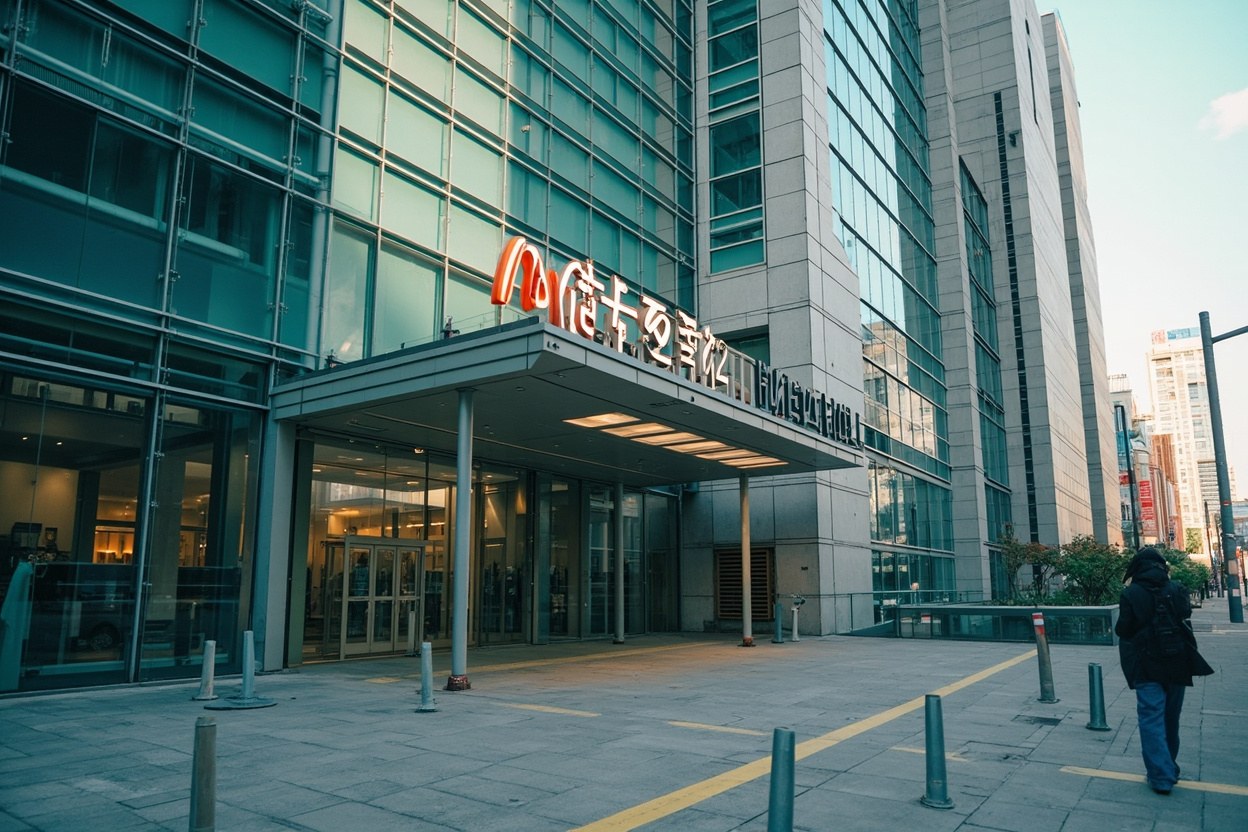
Hong Kong University Shenzhen Hospital, often called HKU-SZH or simply the University of Hong Kong Shenzhen Hospital, sits in the Mai Po area of Futian. For most people crossing from Hong Kong, it is the obvious default. It was the first mainland hospital set up under a Hong Kong style management model, and that shows up in three ways that matter on the day.
First, the language. Walk-in registration desks in the outpatient tower have English speaking staff during weekday mornings, and a fair amount of the signage in the new wing is bilingual. That is not true of most tier three public hospitals in the city, where Mandarin is the working language and English cover is patchy.
Second, the pricing. HKU-SZH runs a two tier pricing model that has been in place since 2012. Hong Kong, Macau and overseas patients pay a separate, higher tariff than Shenzhen residents with social insurance. As of October 2026, the headline gap is roughly three to five times for a standard outpatient consult. For a Hong Kong day tripper without mainland insurance, the bill is predictable and published on the hospital's own site, which is rare.
Third, the location. From Lok Ma Chau MTR, a taxi to HKU-SZH is about 15 minutes and around 25 renminbi. From Futian checkpoint, the metro runs direct to Chegongmiao Station on Line 1, from where the hospital is a signposted underground walk of about 8 minutes. The hospital is also a single stop on Line 7 from Huanggang Port once the new port opens, which is the access route most day trippers will use from late 2026 onward.
What walk-in actually looks like on the day
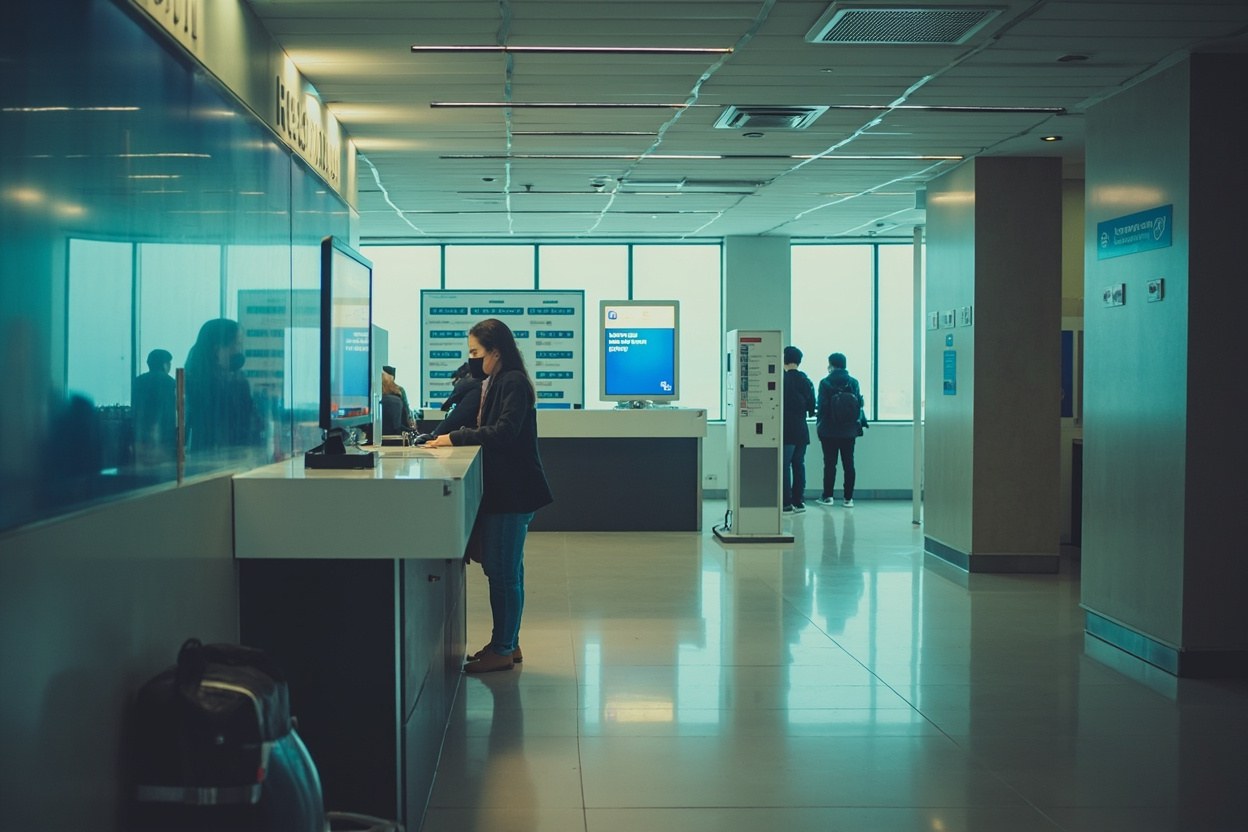
Walk-in to HKU-SZH runs on a triage system rather than a numbered token queue. On arrival at the outpatient tower you take a ticket at the self service kiosk, choose English or Mandarin, and the system assigns you to a general practice or specialist desk based on your symptom tags. Average wait for general practice in October 2026 is about 25 minutes weekday mornings and 45 to 60 minutes on Saturday mornings, per the hospital's own wait time display.
Payment is the part that catches Hong Kong people out. The hospital takes WeChat Pay, Alipay and UnionPay cards, but does not accept Octopus. Cash in renminbi is accepted at the cashier windows. If you are paying by Hong Kong issued Visa or Mastercard, the merchant terminal is at the international desk on the second floor, not at the floor level kiosks, and a 1.5 percent cross border fee tends to apply. WeChat Pay HK with a Hong Kong linked card works at the self service kiosks and is the cleanest option for a one off visit.
For prescriptions, the in-house pharmacy fills most common items within 15 minutes. Hong Kong controlled drugs, including most sleeping tablets and strong painkillers, are not available to walk-in patients. If a Hong Kong resident is on a regular script, they should bring enough supply for the trip.
For imaging, the hospital runs CT, MRI and ultrasound on weekdays with same day slots for most outpatient referrals. The imaging department closes at 5pm, so anything ordered after 3pm typically rolls to the next morning.
The Greater Bay Area scheme for Hong Kong residents
From 2024 onward, Hong Kong residents aged 65 and over have been able to use Elderly Health Care Vouchers at HKU-SZH, and a wider scheme for working age Hong Kong residents has been talked about since 2025. As of October 2026, the working age scheme covers a small list of outpatient specialties at HKU-SZH only, with chronic disease follow-up for hypertension, diabetes and a few rheumatology conditions. Coverage is not automatic, you enrol at the hospital's international desk on first visit and bring your Hong Kong identity card and a recent proof of Hong Kong address.
Outside the scheme, Hong Kong residents pay the hospital's overseas tariff, which as of October 2026 is 100 renminbi for a general practice consult, 200 renminbi for a specialist first visit, and 50 renminbi for a follow-up. Tests and imaging are itemised on the same schedule as mainland insured patients, just at the higher multiple. A typical visit with blood tests and a follow-up works out at around 600 to 900 renminbi all in, before pharmacy.
One thing that has changed in October 2026 is that HKU-SZH no longer accepts Hong Kong issued eHealth records for cross border viewing. Patients with a long Hong Kong history are asked to bring a printed summary, or to log in to eHealth on their phone and show screenshots of relevant test results, medications and allergies. This is a step back from the smoother arrangement in place in 2024 and 2025.
When to skip HKU-SZH and head to a public hospital instead
For a real emergency, the right answer is the nearest public tertiary hospital, not HKU-SZH. The catch is that the public system expects cash, a Chinese ID number for the registration form, or a passport for foreigners. Hong Kong residents without either should still go, and explain at the desk that they are a Hong Kong resident. The hospital will register them as an overseas patient, which means the higher tariff, but the triage and treatment are the same as anyone else in the emergency room.
For Shenzhen residents, the public tertiary hospital in Futian is the Second People's Hospital of Shenzhen, and in Luohu it is the People's Hospital of Luohu, both of which are reachable by metro from the relevant crossing. For Hong Kong day trippers, the most common emergency presentations are food related, heat related and minor road traffic. All of these end up at a public hospital eventually, because the public system is the only one with a 24 hour emergency room in the city centre.
If the situation is urgent but not life threatening, a Hong Kong resident can also call the mainland 120 ambulance service. Operators speak Mandarin and Cantonese on the medical priority line. The 120 service is free at the point of use for residents, and a flat 120 renminbi for non residents, but only the public system dispatches it. Private hospitals and HKU-SZH do not run their own 120 ambulances.
Pharmacy only, no doctor: the chemist option
For very minor issues, lots of Hong Kong people skip the hospital and go straight to a chain pharmacy. The two big chains in Shenzhen are Nepstar and Yixintang, both of which have stores in the metro station arcades under Chegongmiao and under Grand Gateway in Luohu. A short course of common medication for a cold, hay fever or mild stomach upset runs at 20 to 80 renminbi. Pharmacists in these chains speak some English, and many of the common brand names are the same as in Hong Kong.
The catch is that antibiotics, anything containing codeine, and most psychiatric drugs cannot be bought over the counter in mainland China, even with a Hong Kong prescription. If a Hong Kong resident needs a refill of a controlled drug, the only legal route is HKU-SZH or another registered outpatient clinic, and the prescription has to come from a mainland licensed doctor on the day.
Practical checklist for the crossing
Bring a printed medication list and any allergy information in English, even if you also have the same in Chinese. Bring your Hong Kong ID card, because the hospital's international desk asks for it on registration. Bring enough renminbi in cash for a fallback if the card terminals fail, and top up WeChat Pay HK before you cross, because the hospital's main hall WiFi is free for patients but flaky for payment traffic during peak hours.
Set aside half a day. Walk-in general practice takes about two hours including travel and pharmacy. Specialist visits take longer because the morning outpatient block tends to run late, and a slot booked online is much faster than walk-in. The hospital's own app, which is bilingual, has live wait times and lets you book a specialist slot for the same day if anything is open.
Finally, do not assume that the hospital will phone your Hong Kong doctor. Cross border record sharing is not yet a thing in October 2026, and Hong Kong private GPs are not on any mainland referral network. If you want a Hong Kong doctor in the loop, bring a printed referral letter and a stamped addressed envelope, and ask for paper copies of any results on the day.
Quick answers
- Can a Hong Kong resident use Elderly Health Care Vouchers at HKU-SZH?
- Yes, for anyone aged 65 and over with a Hong Kong identity card, the Elderly Health Care Voucher scheme covers a list of outpatient services at HKU-SZH. You enrol on first visit at the international desk on the second floor of the outpatient tower.
- Does HKU-SZH accept Octopus?
- No. The hospital takes WeChat Pay, Alipay and UnionPay cards, and cash in renminbi. Octopus is not accepted at any mainland hospital as of October 2026.
- Can I bring a pet to HKU-SZH?
- No, only registered guide dogs are allowed inside the clinical areas. The hospital has a small outdoor area near the south gate where a companion can wait, but the policy is strict on dogs and cats in the main tower.
- Is the hospital open on public holidays?
- The outpatient tower is open on most mainland public holidays, with reduced staffing. The 24 hour emergency room is open every day, but the emergency room is for real emergencies only and the wait can be two to three hours during Golden Week and Chinese New Year.
Hours in the cards follow the Hong Kong Immigration Department control-point table. They move. Check the morning you travel.