Crossing
Shenzhen coach vs high-speed rail: Oct 2026 fare check
Updated 6 October 2026
There are two real choices for getting between Hong Kong and Shenzhen in October 2026, the cross-boundary coach and the high-speed rail, and the right one depends on where you start, what time you leave, and how much luggage you have. We checked the published fares, the timetable changes that came in for the autumn, and the practical differences that decide the choice.
The two options, in one line each
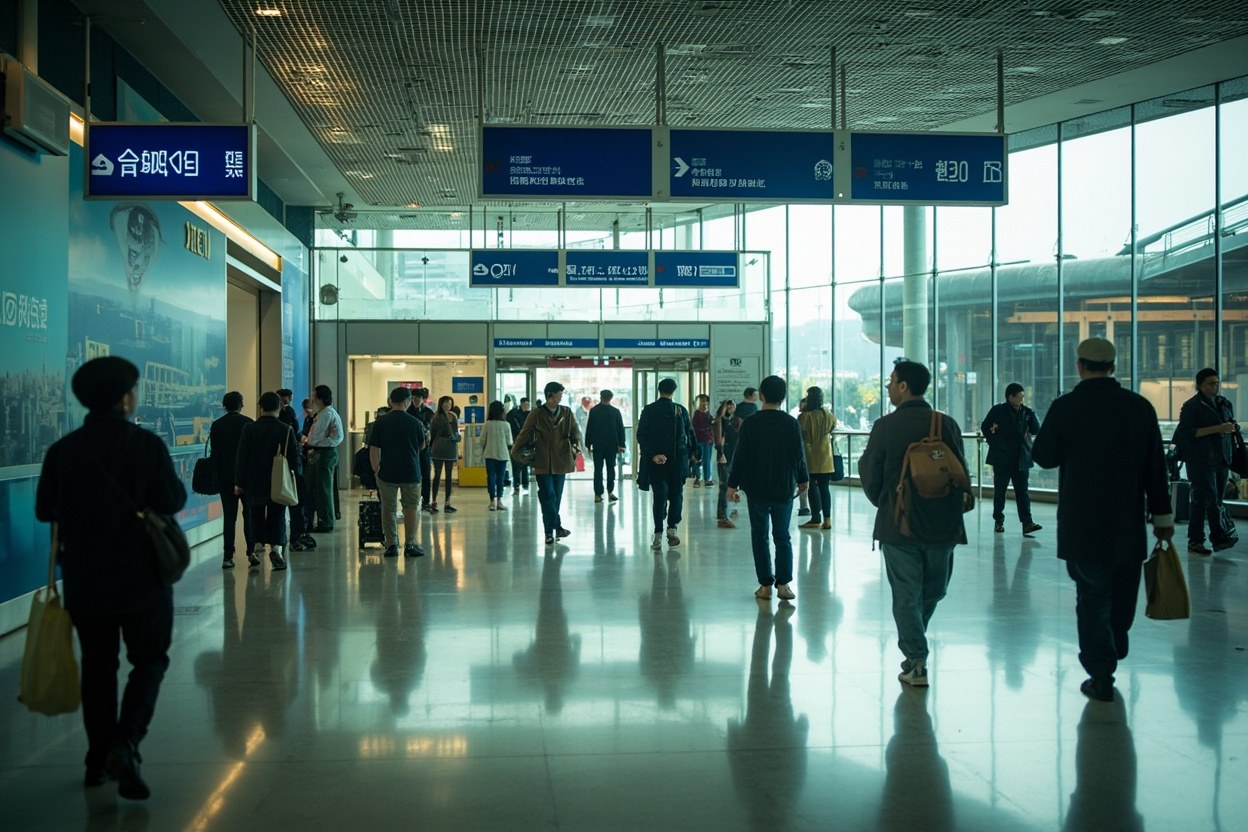
The high-speed rail from Hong Kong West Kowloon runs non-stop to Shenzhen Futian in about 14 minutes, with slower trains continuing to Shenzhen North, Shenzhen Bay, and on into the mainland network. The cross-boundary coach network, run by licensed operators using the Huanggang, Lok Ma Chau, Shenzhen Bay, and Hong Kong Zhuhai Macao Bridge ports, picks up across Hong Kong and drops at points from Lo Wu all the way to the airport.
Both options have changed since the spring. Fares on the high-speed rail moved in July, and at least one coach operator quietly added a 23:30 departure from the Tsim Sha Tsui terminal in late September. That is the shape of the choice you are actually making this month.
Fares in October 2026, side by side
For a standard class seat on the Hong Kong West Kowloon to Shenzhen Futian route, the published fare in October 2026 is HK$87 for a second class ticket on the non-stop service, and HK$120 for first class. Trains that continue to Shenzhen North are priced at HK$120 second class and HK$165 first class. Premium and business class are not available on the cross-border leg.
For the cross-boundary coach, the one-way adult fare from the major Kowloon terminals to Huanggang Port sits between HK$70 and HK$95 depending on operator, with most carriers charging HK$80 for an off-peak ticket booked in advance. From Hong Kong Island terminals, expect to add HK$20 to HK$30. Night departures after 23:00 are usually HK$10 more, and some operators have dropped the child fare entirely, charging adult price for any seat.
That is the headline comparison: a high-speed rail ticket is, for most slots, between HK$5 and HK$20 more expensive than the cheapest coach, and up to HK$40 more for first class. Three years ago the gap was much larger. In October 2026, it is narrow enough that the decision is no longer about price.
Timetable and last departures
The high-speed rail runs from around 06:30 to 22:30 from West Kowloon, with the last through train to Shenzhen Futian departing at 22:00 and the last stopping train to Shenzhen North departing at 21:15. There is no service between midnight and 06:30. Tickets open 15 days before travel and the cheap early morning slots often sell out by midweek.
Coaches run later. The Hung Hom cross-boundary coach terminal has departures roughly every 20 to 30 minutes between 07:00 and 21:00, with a skeleton late service until 01:00. The Tsim Sha Tsui (Middle Road) terminal runs later still, with the last departure in late September now at 23:50 to Futian and 23:30 to Huanggang. From Lok Ma Chau, the first coach to the mainland is 06:30.
If you are leaving after 22:00, the coach is your only option. If you are leaving before 21:00, the rail is almost always the better one.
Where you start changes the answer
From Kowloon Station or any MTR stop on the Tung Chung Line or Airport Express, the high-speed rail is a short walk or one MTR hop, and the total door-to-door time is faster than any coach. From Kennedy Town, Causeway Bay, or anywhere in the eastern half of Hong Kong Island, you are looking at a 30 to 40 minute MTR ride to Kowloon plus the rail, versus a coach that picks you up locally. For those origins, the coach often wins on total journey time, even though the road portion is longer in minutes.
From the eastern New Territories, the picture is different again. The high-speed rail does not stop between West Kowloon and the border, so if you live in Sha Tin, Tai Po, or Fanling, you are looking at 30 to 50 minutes by MTR to Kowloon, then the rail. A coach from Sha Tin or Tai Po direct to Huanggang takes about 70 to 90 minutes door to door and avoids two MTR changes. We have written before about the choice of crossing from the eastern New Territories, and the same logic applies here: if you start east of Sha Tin, the coach is usually faster.
Luggage, reliability, and other small things
On the high-speed rail, each adult ticket allows one piece of luggage up to 20kg and one carry-on. The luggage racks are at the end of each car. If you have a full-size suitcase and a backpack, you will manage. If you have two suitcases and a child, you will be standing in the vestibule. The rail is also more reliable in bad weather: in the heavy rain that hit the second week of September, only a handful of trains were cancelled, while the Lok Ma Chau coach lane was closed for three hours in the morning peak.
Coaches have underfloor luggage holds, no weight limit in practice for one or two cases, and you can usually take a folding trolley. The trade-off is that you are on the road, and the North Lantau or Shenzhen Bay sections can add 15 to 25 minutes to a journey in the evening peak. There is also no seat reservation system across the network: the operator you booked with is the operator you ride with, and if the 19:30 coach fills up at Hung Hom, you wait for the 19:50.
Booking, payment, and small October 2026 quirks
High-speed rail tickets are sold through the MTR booking site, the China Railway 12306 app, the trip.com app, and at the West Kowloon counter. You can pay with Visa, Mastercard, UnionPay, Alipay HK, and Octopus in person. The trip.com and 12306 apps accept Apple Pay and Google Pay for Hong Kong users in October 2026. Coach tickets are sold through the operator's site or apps such as KKday and Klook, and at the terminal counter. Cash Octopus and Alipay HK work at the counter; most apps do not yet support WeChat Pay for the cross-boundary leg.
One small quirk that started in October 2026: the West Kowloon ticket gates now require you to scan the same document you used to book, and the system has been rejecting some Hong Kong and Macao Home Return Permits where the chip did not read cleanly at the first tap. If that happens, staff at the manual gate will reissue a paper boarding pass within five minutes. We have a separate guide on using the Home Return Permit at West Kowloon if you want the full picture.
The default pick, and the one exception
Default: take the high-speed rail from West Kowloon, standard class, booked at least a week ahead, leaving between 09:00 and 20:00. It is faster, more reliable, and the fare gap is small. The exception: if you are leaving after 22:00, or starting from the eastern New Territories or Hong Kong Island, or carrying more luggage than one suitcase and a bag, take the cross-boundary coach from the nearest terminal. The fare is similar, the last departure is later, and the door to door time often wins.
Quick answers
- Is the high-speed rail always faster than the coach?
- On the clock, yes: 14 minutes from West Kowloon to Futian versus 70 to 90 minutes on the coach. On door to door time, only if you start in Kowloon or on Hong Kong Island south of the harbour, and only if you are leaving before 22:00.
- Do I need a Home Return Permit for the coach as well?
- Yes. All cross-boundary coach routes use the same border control as the rail and the road crossings, so you need either a valid Home Return Permit, a mainland travel permit, or a passport with a valid endorsement.
- Are there any group fares on the rail in October 2026?
- Not for the cross-border leg. Group rates and student rates exist on domestic Chinese rail sections but do not apply once the train crosses into Hong Kong.
Hours in the cards follow the Hong Kong Immigration Department control-point table. They move. Check the morning you travel.